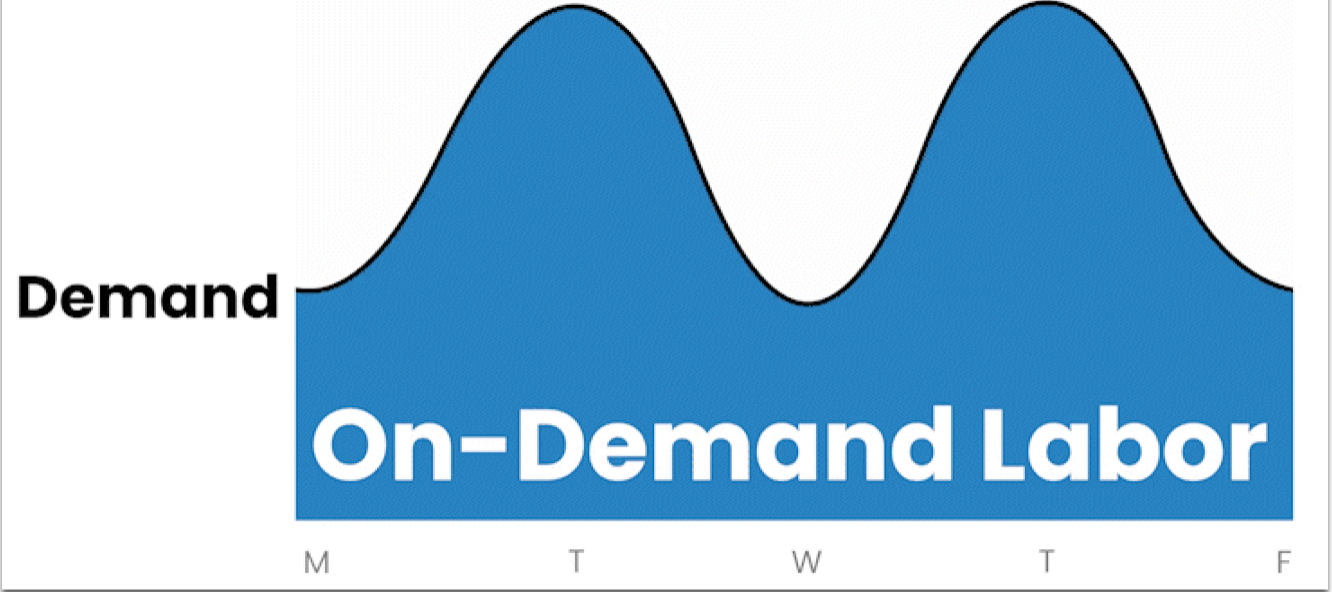
Learn how flexible labor capacity eliminates inefficiency, stabilizes flow, and completes the Lean framework by aligning labor capacity with real-time demand.
Originating from the Toyota Production System, this problem-solving technique has been widely adopted in various industries and organizations worldwide.
In this article, you’ll learn what transaction costs are, how Lean helps reduce transaction costs, and how you can use this knowledge to make improvements to profitability now.
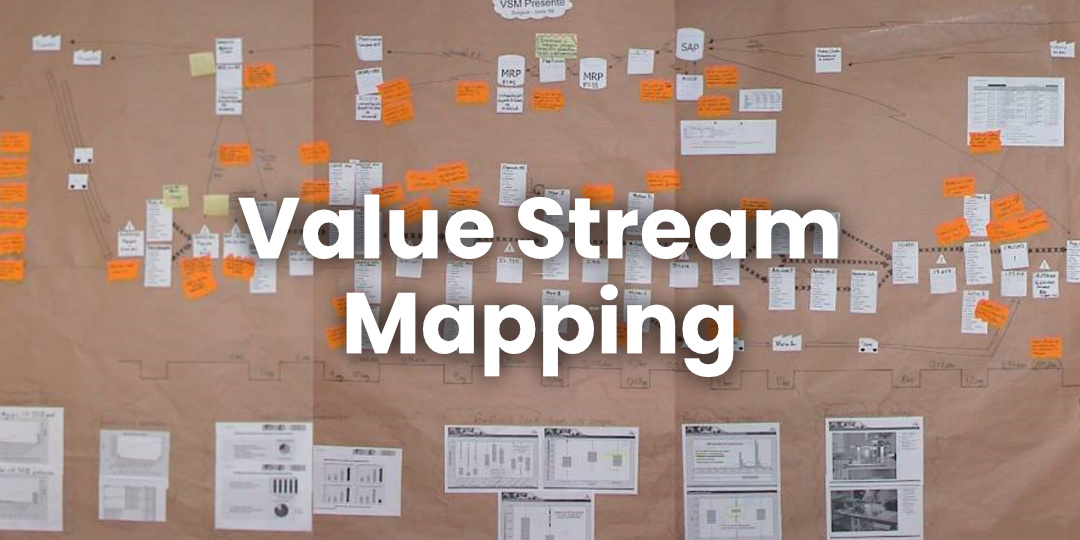
In this article, you will learn how to understand a value stream map, how to create your own, and how to use a value stream map to improve your operations.
In this blog, we’ll provide a solution to a common problem across all industries: insufficient standardization, leading to quality issues and inconsistent throughput rates.
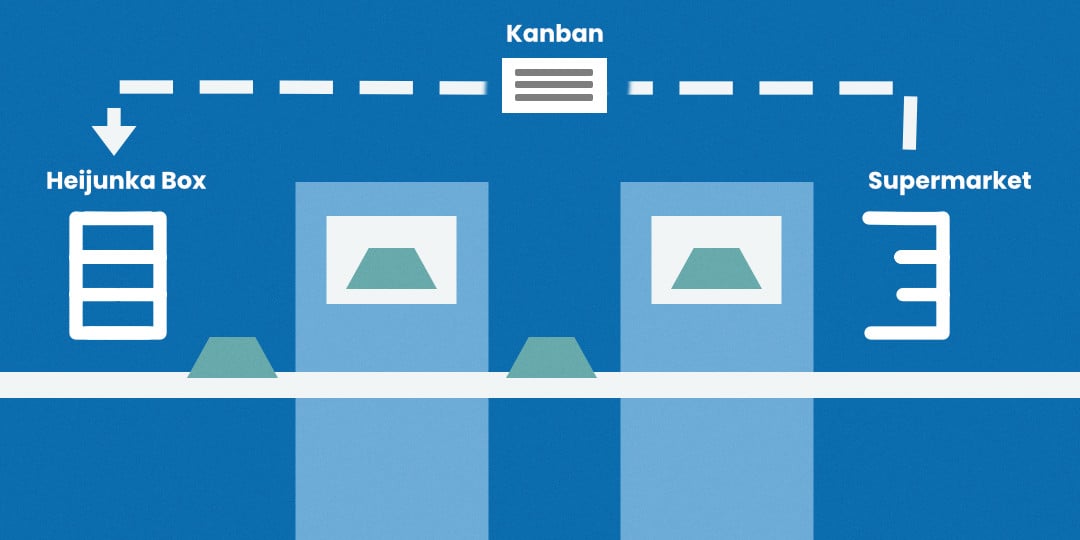
In this article, you’ll learn what pull production systems are, how to implement and manage a pull production system, and how to get the most out of them.
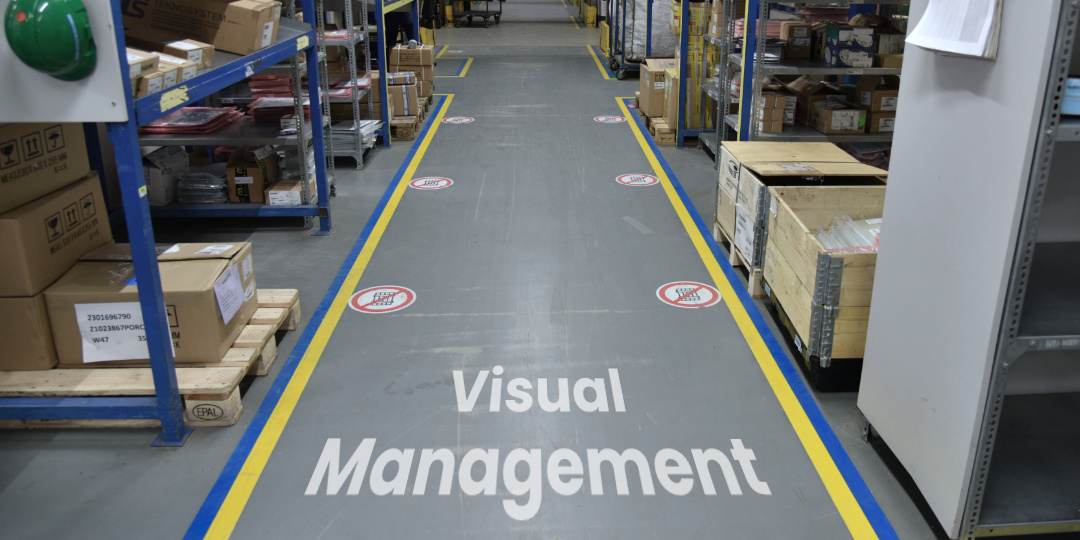
In this article, you’ll learn what visual management is and how it can benefit your operations. You’ll see examples of visual management in action and learn how you can implement it in your own facilities.
The lean supply chain is not the culprit for our supply chain woes in 2020 and 2021. Lean thinking will soon be even more useful as reshoring accelerates.
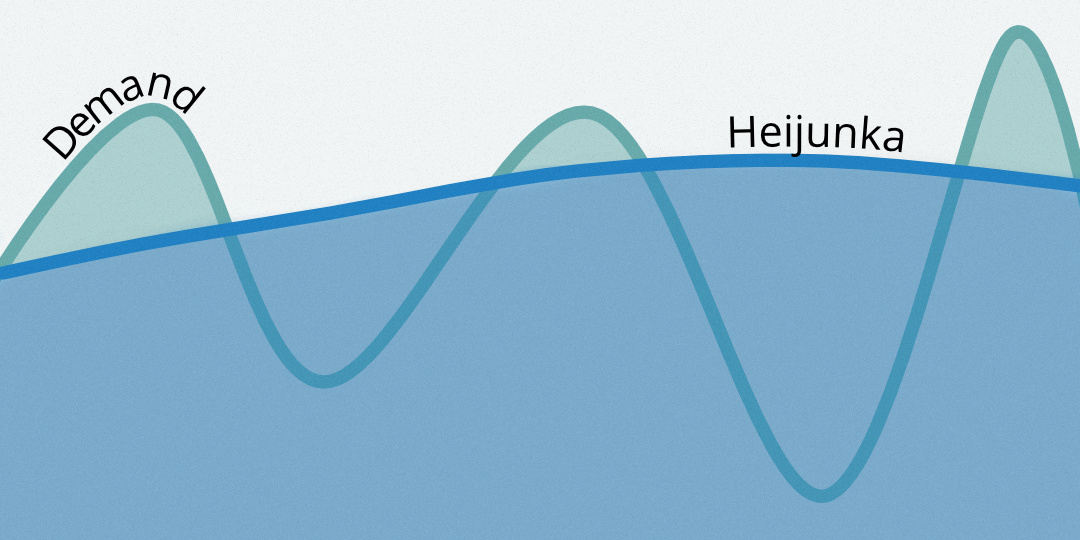
Implementing heijunka to level your production is a longstanding approach to manufacturing. However, it can bog down your business when it is used as a self-imposed, artificial constraint on production.
Kanban is a mainstay of Lean, and drum-buffer-rope originated from the Theory of Constraints. We compared the two so you can decide which is right for you.
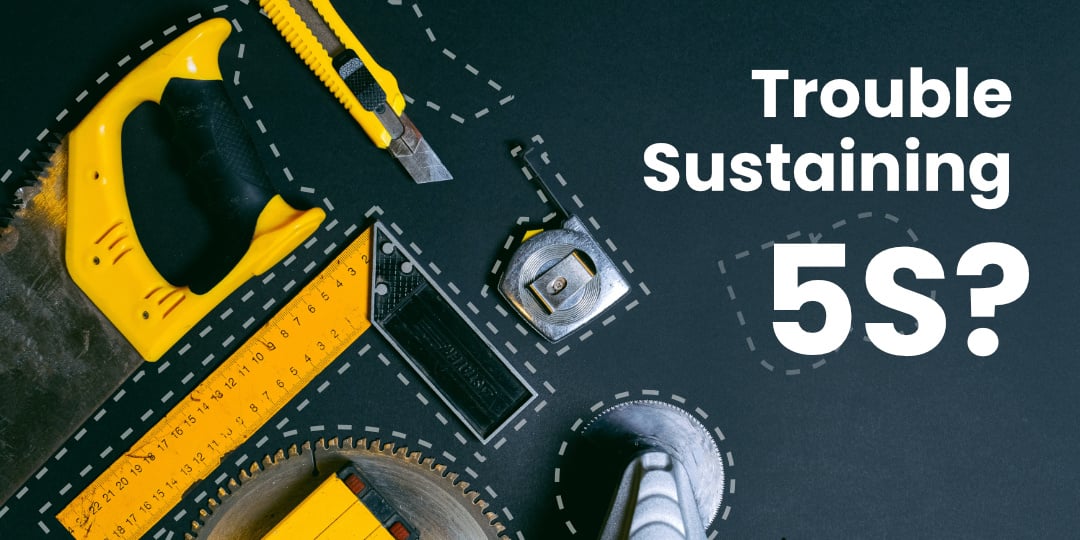
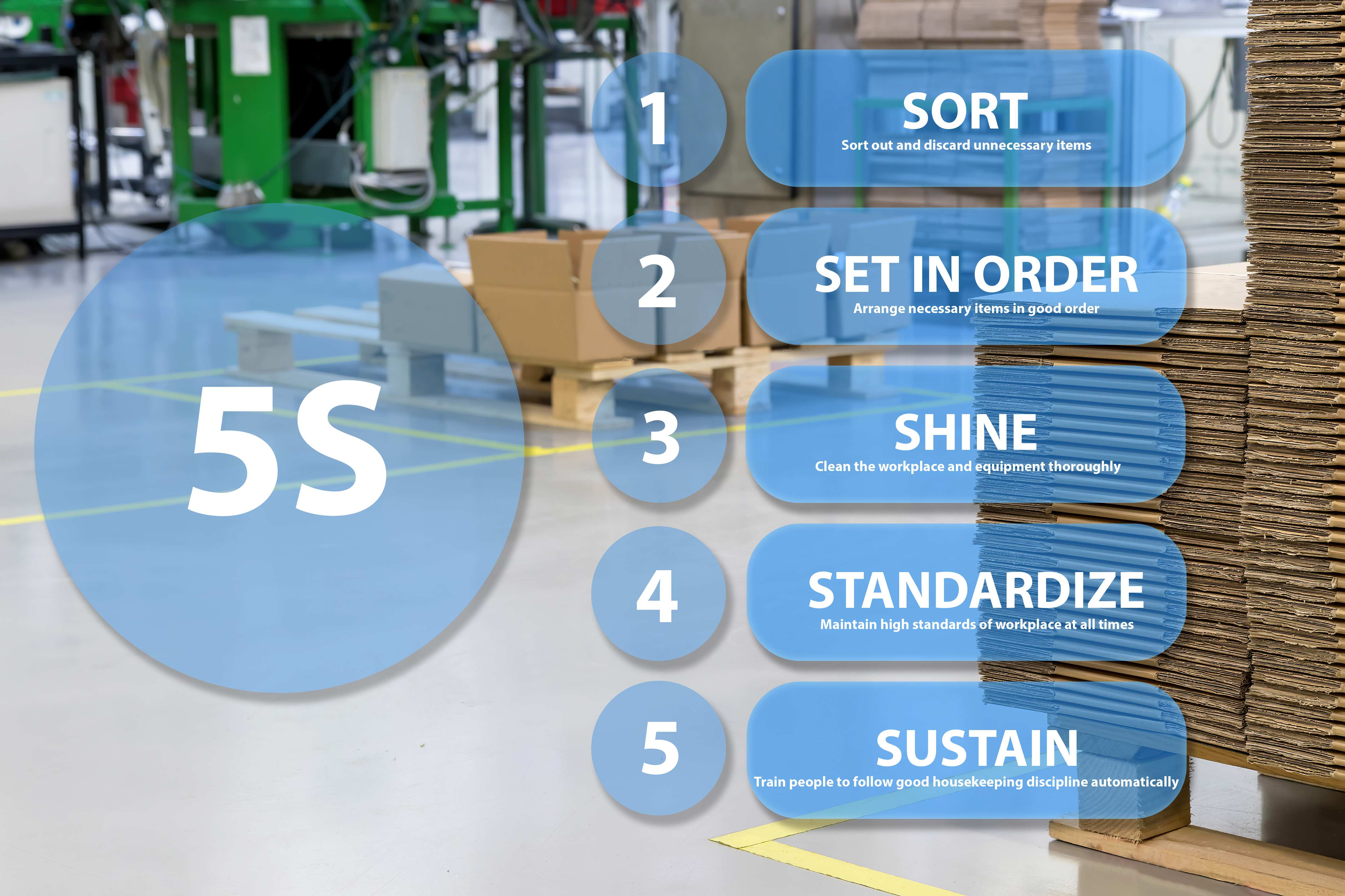
If your production facility or shop floor is struggling to maintain consistent results or reach productivity targets, then it’s time to step back and consider taking a more basic approach and cleaning up your facility.